BLACKFROST: The Long Dark’s Next Chapter Aims To Redefine Survival—Together
BLACKFROST: The Long Dark 2 isn’t chasing louder survival—it’s chasing truer survival.


BLACKFROST: The Long Dark’s Next Chapter Aims To Redefine Survival—Together
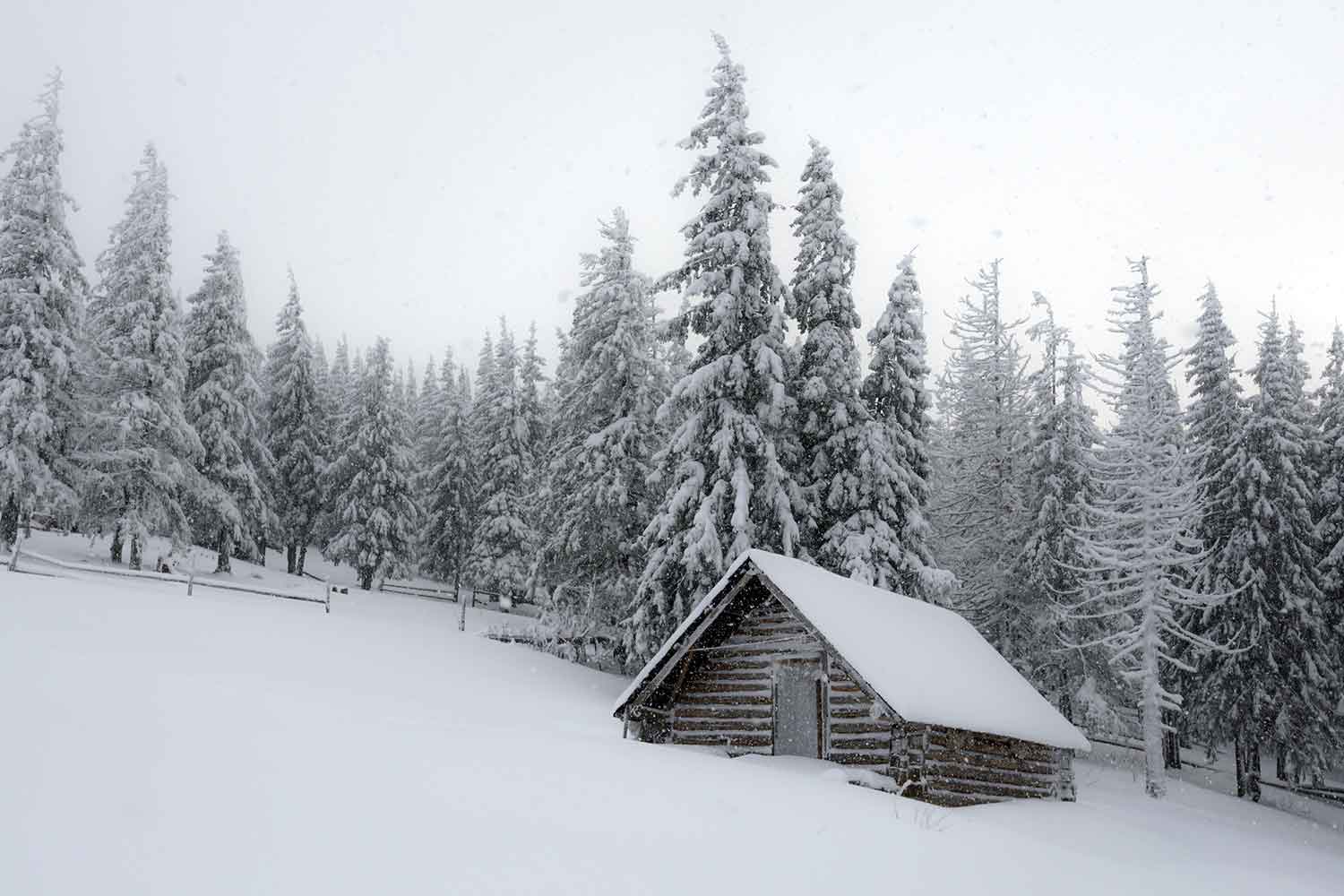
Survival games thrive on a single question: how long can you keep going when the world wants you gone? BLACKFROST: The Long Dark 2 looks poised to ask that question in colder, smarter, and more unforgiving ways than its predecessor—doubling down on solitude, systems-driven storytelling, and the brutal beauty of the Canadian frontier.
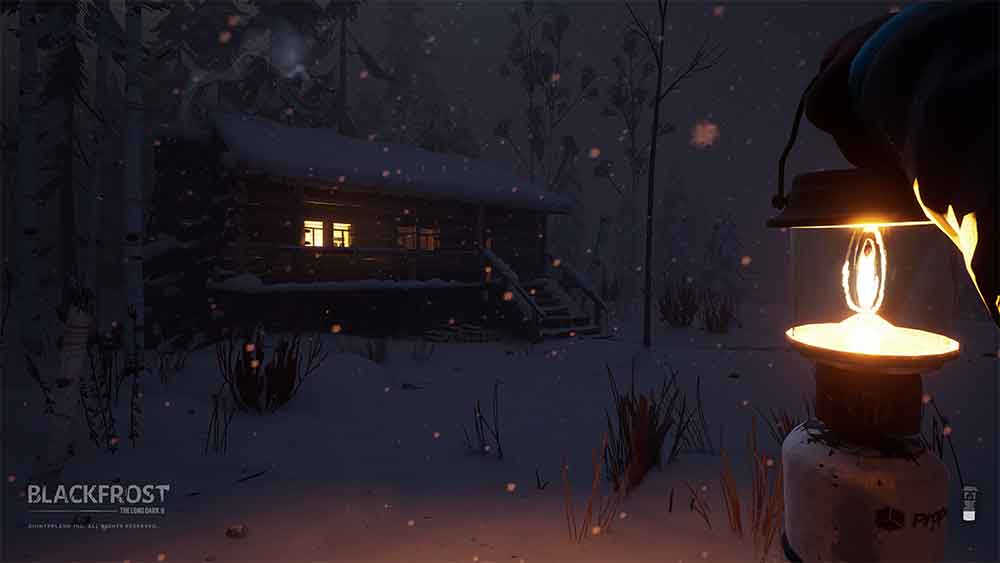
Note: Some details are still under wraps, and features may evolve. Consider this an early look at what BLACKFROST is aiming to deliver and why it matters for fans of The Long Dark.
A harsher winter, a sharper edge. The Long Dark set the standard for slow-burn survival: no zombies, no base raids—just frostbite, hunger, and bad decisions. BLACKFROST appears to push that philosophy further. Expect:
- More dynamic weather with microclimates that punish complacency—bluebird mornings flipping to whiteout squalls in minutes.
- A deeper cold system where exposure compounds. It’s not just about warmth; it’s about staying dry, shielding from wind, and managing heat loss through every decision.
- Wildlife behavior that adapts. Wolves and bears won’t simply path toward you; they’ll circle, retreat, and re-engage based on territory, hunger, and scent.
The result: fewer “right” answers, more real survival dilemmas. Do you burn your precious fuel to dry soaked clothes after a river crossing or save it for the night? Do you risk a ridge with wind chill to avoid wolf tracks in a sheltered valley? BLACKFROST wants every kilometer to feel like a bet.
New systems, new scars. Where The Long Dark focused on scarcity and routine, BLACKFROST seems to expand the toolset without breaking its minimalist soul:
- Layered clothing: Underlayers, midlayers, and shells each matter. A damp base layer can be as dangerous as a blizzard if you’re miles from shelter.
- Field repairs and improvisation: Stitch kits degrade, glue freezes, tape loses adhesion. Crafting is less about checklists, more about materials under stress.
- Fire evolution: Wind direction, fuel density, and placement change burn time. A sheltered ember might outlast a roaring campfire in bad weather.
- Pack weight and fatigue: Weight isn’t just a number; it affects balance, stamina drain, and injury risk on bad terrain.
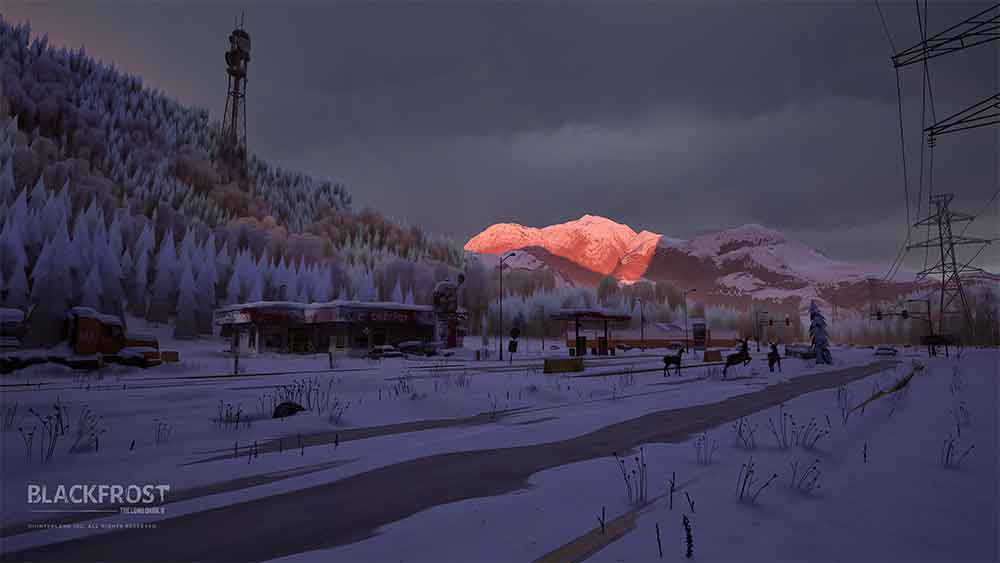
There’s also a subtle shift from “keep meters green” to “manage consequences.” Hypothermia might not kill you outright—but it could slow reaction times, widen footsteps (making you easier to track), and force more breaks that waste daylight.
Maps that feel lived-in (and lived-without) The Long Dark’s world was hostile yet strangely meditative. BLACKFROST looks to widen that mood with larger regions connected by hazardous traversal—frozen rivers, avalanche chutes, and wind-tunnel passes that become late-game puzzles in themselves. Key beats:
- Route planning becomes an art. Snowpack stability, ice thickness, and wind corridors are readable if you pay attention—and deadly if you don’t.
- Passive storytelling ramps up. Burned-out cabins, skinned carcasses, abandoned hunting blinds—every landmark whispers what someone tried (and how it failed).
- Seasonal nuance: Sun angles, snow refreeze, and day length challenge “set it and forget it” routines. Your winter knowledge is tested every single dawn.
Story without speeches. While The Long Dark’s episodic mode brought narrative to the forefront, BLACKFROST seems to lean harder on environmental storytelling and player-driven beats:
- Sparse, impactful encounters. When you do meet someone, it matters. Trading, tracking, or simply passing in silence—each contact creates a ripple.
- Journaling as gameplay. Your notes become a survival tool: route sketches, foraging calendars, wind maps. Forgetting to write may be the same as forgetting to prepare.
- Moral calculus returns. Do you share scarce meds with a stranger who might be a liability later? BLACKFROST aims to make generosity a risk rather than a menu choice.
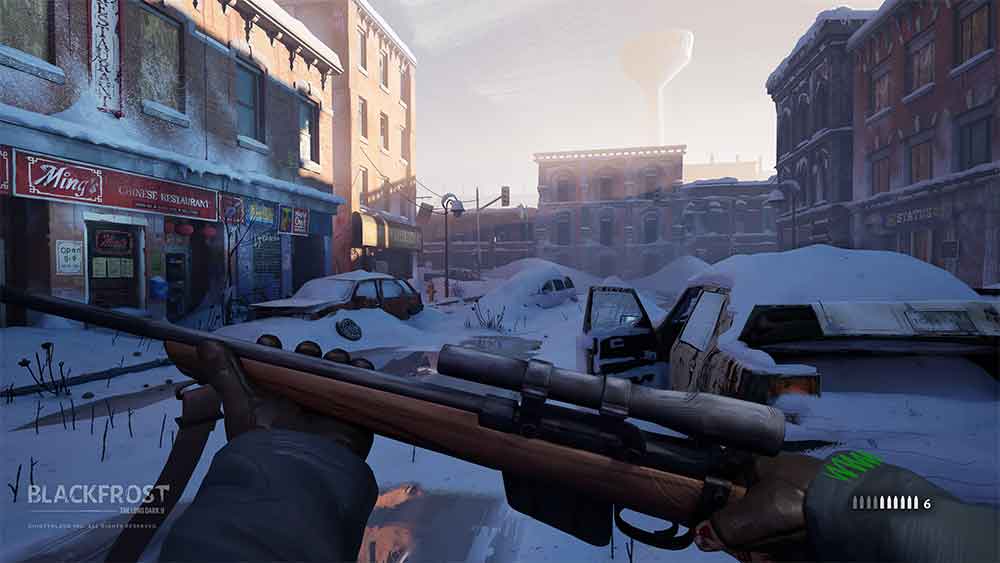
Audio-visual identity: beauty as threat. The original was already gorgeous in its painterly austerity. BLACKFROST’s direction appears sharper and more moody:
- Snow has weight and texture: crust, powder, sleet—each looks and sounds different, each changes movement and stealth.
- Wind is a character. It carries sound, erases tracks, and steals warmth with a personality you can learn to read. Headphones recommended.
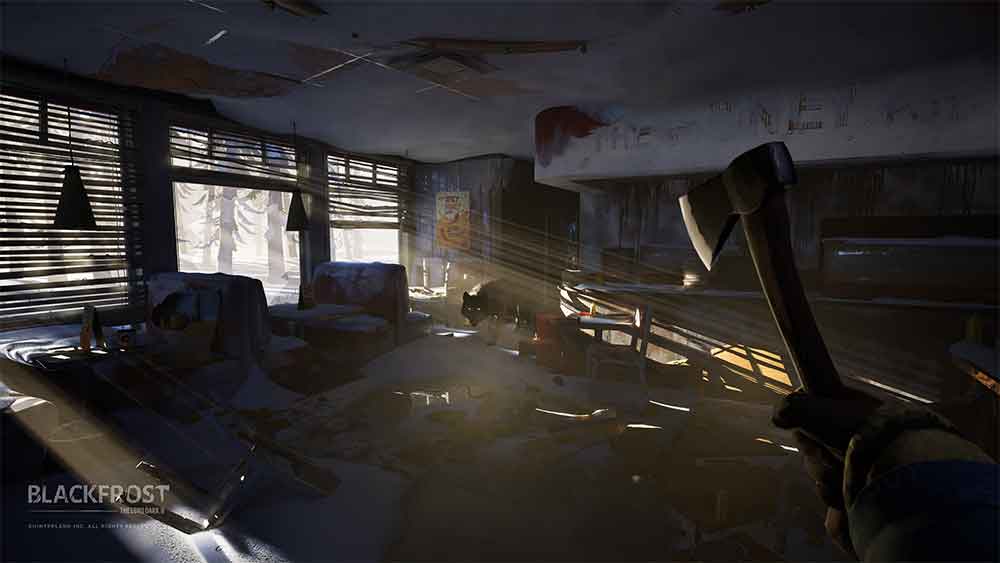
- Nights are darker, stars are clearer, and firelight feels earned. Expect less cinematic flourish, more “your eyes adjust, then you realize you’re not alone.”
Difficulty that scales with wisdom. A common frustration in survival sequels is power creep. BLACKFROST’s answer seems to be experience-driven escalation:
- The world responds to patterns. Over-harvest an area and wildlife shifts. Build fires at the same times and predators learn your habits.
- Your knowledge expands, but so do the stakes. High-end gear opens routes that are riskier in new ways: you can cross the lake—but the wind bluffs are worse this season.
- Fail states teach. Post-run summaries highlight decisions, not just stats, nudging you toward better habits without handholding.
Accessibility without dilution. Survival purists love pain; newcomers need handholds. BLACKFROST looks to split the difference:
- “Practice windows” in early runs: short, forgiving weather bands to learn key systems before the real cold sets in.
- Clearer feedback: micro-prompts like “wind shift detected” or “snowpack crust forming” reward observation without spelling out answers.
- Customizable friction: tweak degradation rates, wildlife aggression, and day length to tailor your personal survival story.
What we want to see. If BLACKFROST is serious about building on The Long Dark, a few features could make it sing:
- More traversal tools: snowshoes, ice spikes, drag sleds for long-haul scavenging.
- Expanded shelter mechanics: snow caves, windbreaks, tent footprints that matter in storms.
- Subtle co-op modes: not shared lobbies—just rare, opt-in crossings where another player’s ghost route appears, leaving trace notes or supply caches for asynchronous storytelling.
Final thoughts: BLACKFROST: The Long Dark 2 isn’t chasing louder survival—it’s chasing truer survival. If it delivers on smarter systems and more expressive, consequence-heavy play, it could become the definitive meditation on cold, caution, and human stubbornness. The original taught us to fear the wind. BLACKFROST wants us to learn from it.
Whether you’re a veteran of Broken Railroad or someone who still panics at your first wolf bark, keep an eye on this one. If The Long Dark showed us how silence can terrify, BLACKFROST might show us how it can teach.