Into the Dead: Our Darkest Days — Heat, Hunger, and Humanity in 1980s Texas
Into the Dead: Our Darkest Days pivots the long-running series from first-person runner to a 2.5D, side-scrolling shelter survival game.


Into the Dead: Our Darkest Days — Heat, Hunger, and Humanity in 1980s Texas
Texas, 1980. Walton City is melting under a punishing heatwave and an even harsher truth: the dead don’t stay down. Into the Dead: Our Darkest Days pivots the long-running series from first-person runner to a 2.5D, side-scrolling shelter survival game—one that trades jump scares for slow-burn dread and tactical decision-making.
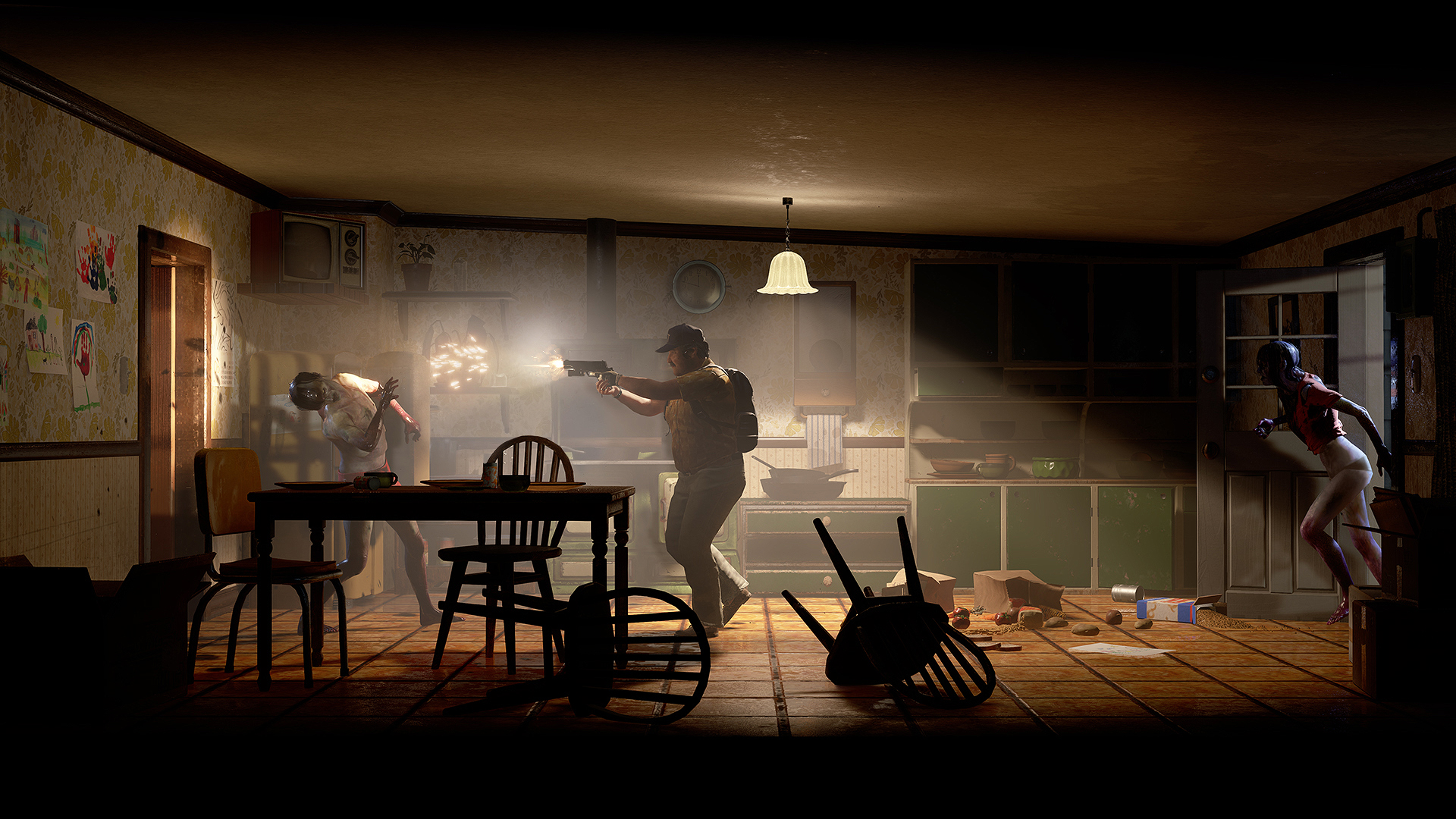
Developed in-house by PikPok, this entry asks you to shepherd a ragtag group through a city that’s equal parts labyrinth and graveyard. It’s not just about killing zombies; it’s about keeping people alive—body and mind—long enough to reach the next safe room.
The Loop: Plan, Adapt, Survive
Everything radiates from a simple, brutal loop:
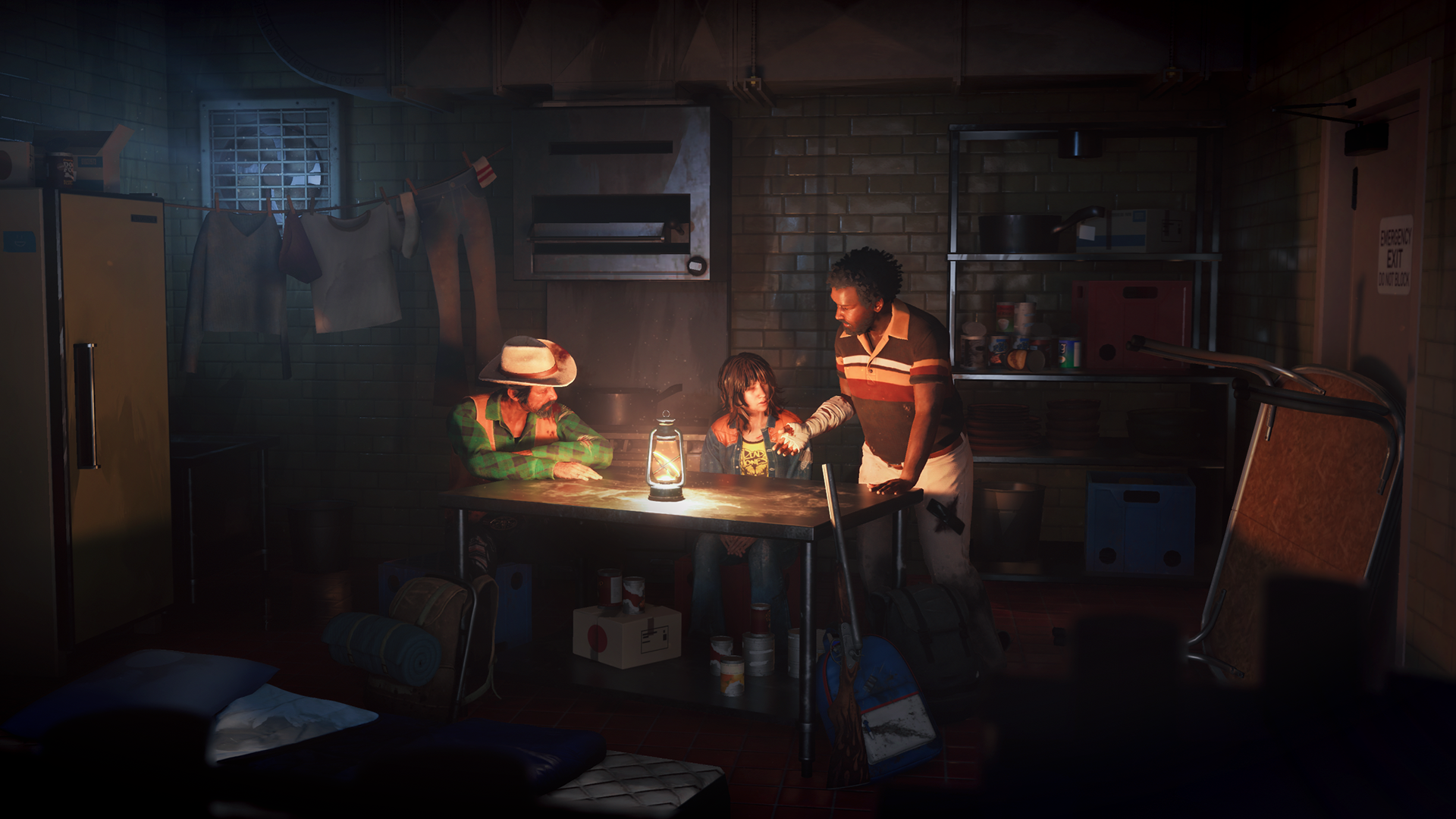
- Plan: Recruit shaken civilians, fortify makeshift shelters, and triage needs from hunger to shattered ribs. Your barricades will fall—eventually—so planning is about buying nights, not winning wars.
- Adapt: Scavenge across Walton City with stealth-first play. Noise draws attention, and attention is fatal. When a fight is unavoidable, crafted clubs and jury-rigged pistols turn desperate scrambles into bruised victories. Not everyone is a fighter; desperation makes them try.
- Survive: Tough calls define the experience. Who do you save? Who do you leave? The undead wear remnants of who they were, and that empathy—seeing traces of lives—complicates every headshot.
Survival Management That Hits Hard
What separates Our Darkest Days from the usual zombie grind is the focus on psychology. Hunger and exhaustion are obvious. Despair and trauma—Nightmares, lingering injuries like Broken Ribs—are not. Healing is slow. Comfort matters. A mug of coffee and a barred window can be the difference between a viable team and a death spiral.
Upgrading shelters isn’t a victory lap; it’s a wager. You’re staking scarce resources on temporary safety while the horde gnaws at your doors night after night. The game makes you feel every cost.
Walton City Feels Lived-In, Then Left-Behind
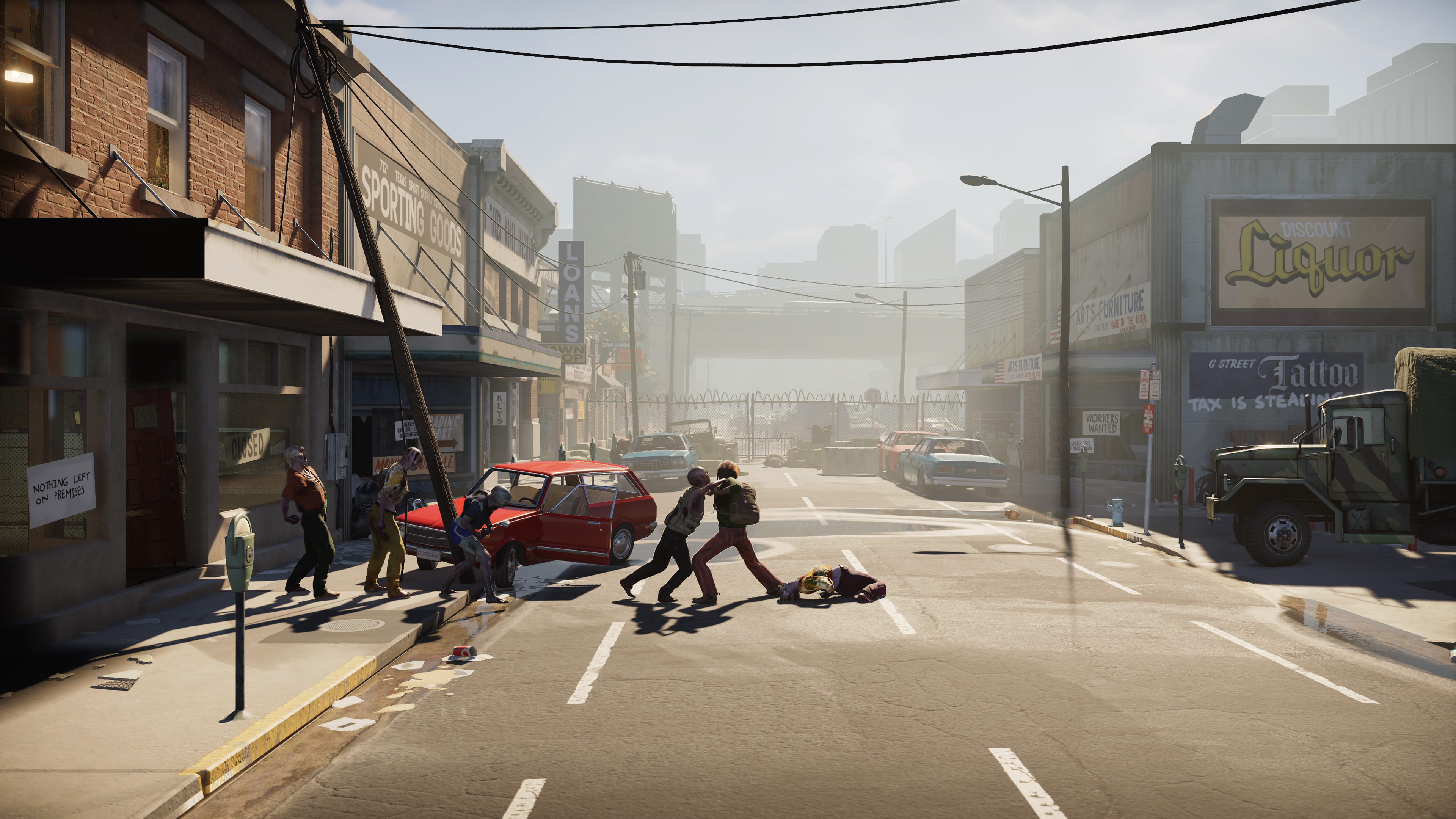
The 2.5D presentation pays off with measured pacing and clear readability. Street grids, alleyways, and interiors stitch together into runs that feel like stories: a food mission that turns into a rescue, a quiet scavenge that slips into a panicked sprint. The city’s atmosphere—coastal humidity, economic rot, heat-sick haze—grounds the apocalypse in a specific time and place rather than generic ruins.
Combat Is a Choice You’ll Regret (Sometimes)
Stealth is the smart play, but not always the possible one. Encounters with human threats complicate things: do you barter, recruit, or rob? When you throw down, crafted weapons have personality—improvised, brutal, and imperfect. Fights feel costly even when you win, which fits the theme: survival is a series of compromises
Early Access Outlook
Launched into Early Access on April 10, 2025, PikPok’s in-house build already shows a strong foundation: a tight survival loop, meaningful resource pressure, and an empathetic take on the undead. The promise is in the variance—playthroughs shift with routes, recruits, and crises—but longevity will hinge on event diversity, AI behavior, and difficulty tuning across mid-to-late runs.
Verdict
Into the Dead: Our Darkest Days is less about mowing down hordes and more about protecting fragile people in a hostile city. If you want a survival game where planning matters, where every night breaks your barricades and every morning asks for another impossible choice, Walton City is worth the trip. Just pack light, move often, and don’t mistake a closed door for safety.